 Why Israel
 Tech Ecosystem
 Human Capital
 Focus Sector
 The Health Network
 Business Opportunities
 Investment in Israel
 Innovation Diplomacy
 Leadership Circle
 Our Building
 Newsletter
 From The Press
 Startup Terms Glossary
 Tech Event Calendar


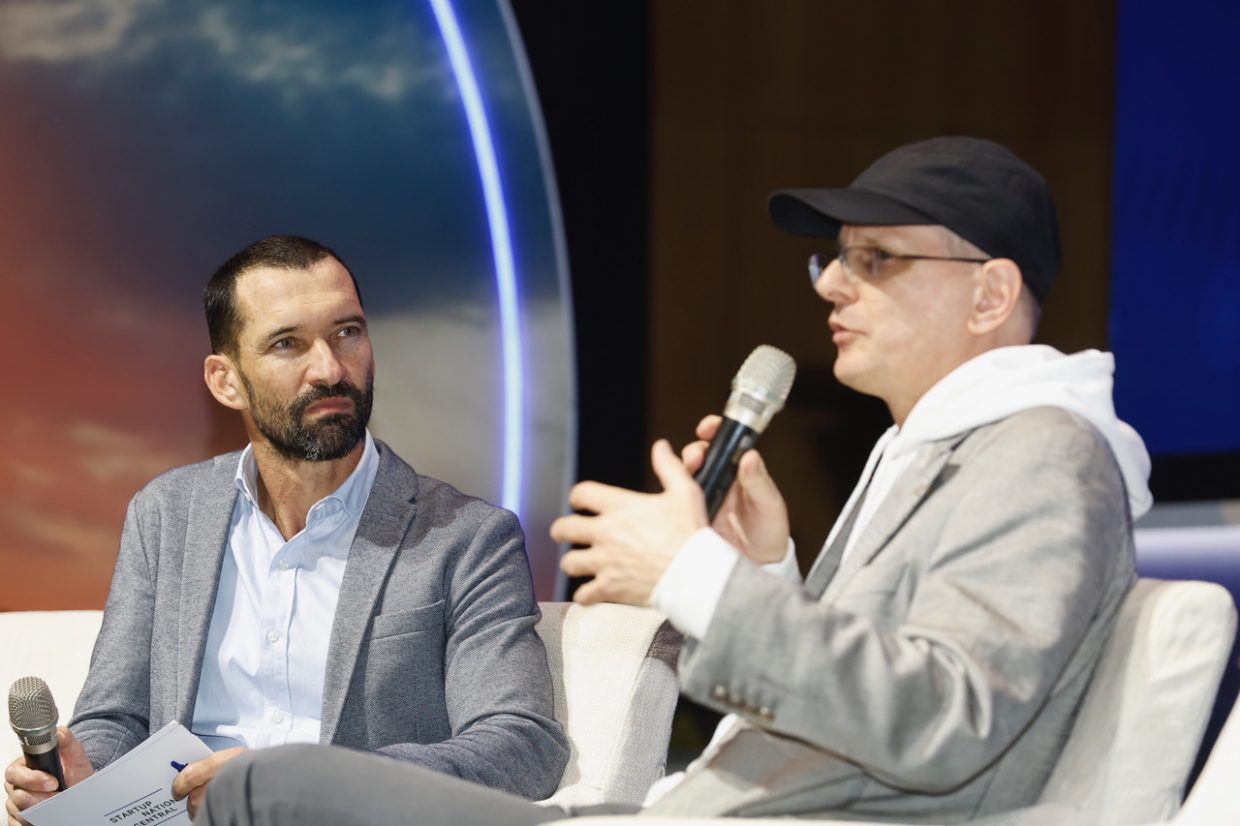
Europe is entering a phase of strategic urgency. In a recent discussion I had with Ulf Haeussler, Head of Unit for NATO Innovation Initiatives at the German Federal Ministry of Defense, the message was clear: the continent is reshaping its defense innovation approach, and ecosystems with a culture of rapid mobilization, such as Israel’s, have become increasingly relevant.
NATO’s Emerging Innovation Architecture
Haeussler outlined a framework designed to close long standing gaps between strategy and operational capability. Two significant elements contributing to this framework are:
DIANA, NATO’s Startup Accelerator, which creates direct channels between allied militaries and dual use startups and shortens the path from idea to deployment. This shift reflects NATO’s growing need for technologies that can perform in the field without years of delay.
The NATO Innovation Fund, is a 15-year 1 billion-euro commitment representing a rare multi sovereign venture structure with a mandate to build deep technological resilience across the alliance. Its long horizon signals a strategic decision to support companies that shape future defense infrastructure rather than pursue short term gains.
A Shift in European Mindset
Haeussler was candid about Europe’s trajectory. After 9/11, the United States moved quickly into a wartime innovation posture, while Europe did not. The absence of urgency left a gap that became visible once Russia invaded Ukraine.
February 24, 2022 marked a turning point when Germany entered what Haeussler described as a Zeitenwende, a moment that reset long standing assumptions about defense spending, procurement, and national priorities. Germany has already lifted long established spending caps. According to Haeussler, this is the early stage of a broader effort to rebuild military capacity after decades of underinvestment.
Europe’s Market Reality
For startups, and especially for Israeli companies entering the region, one factor shapes the entire opportunity. Europe is not one defense market; it is 32 markets with their own procurement cultures, political constraints, and operational requirements. These differences create a fragmented landscape that slows scaling and stretches sales cycles. Dual-use pathways often move faster, and partnerships with local players become essential to reach adoption across borders.
Why Israel Matters to Europe
During his first visit to Israel, Haeussler pointed to something that stood out immediately. Israeli companies often draw from teams that include active reservists. This creates a tight connection between civilian society, the tech ecosystem, and national defense and strengthens national resilience.
He described Israel’s societal spirit as a defining advantage. The ability to shift into wartime mode from the first day of the country’s existence offers lessons for nations now confronting the realities of modern conflict. This mindset shapes how Israeli founders operate, iterate, and solve problems under pressure. It is a core reason global partners turn to Israel for models of rapid mobilization and agile defense innovation.
Different Theaters, Different Needs
Haeussler emphasized that Europe’s operational environment differs significantly from Israel’s. Air superiority cannot be taken for granted across the continent since distances, terrain, and climate conditions vary widely. Technologies must function across multiple theaters and threat profiles.
This reality demands flexible, adaptable solutions. It also creates space for Israeli companies that excel in rapid iteration and field driven design.
The Road Ahead
Europe is moving toward a new innovation posture with greater clarity and urgency. DIANA and the NATO Innovation Fund set the foundation. Germany’s policy shift signals the scale of the commitment. Yet fragmentation and slow procurement remain structural barriers.
At the same time, Israel offers a model that blends technological strength with societal readiness. European partners increasingly recognize the value of ecosystems built around resilience, multidisciplinary talent, and a deep connection between civilian innovation and national defense.
Euro Atlantic security will depend on shared learning, practical collaboration, and faster adoption cycles. Europe has reached its turning point, and Israel has operated in one since its earliest days, creating new opportunities for shared growth.